

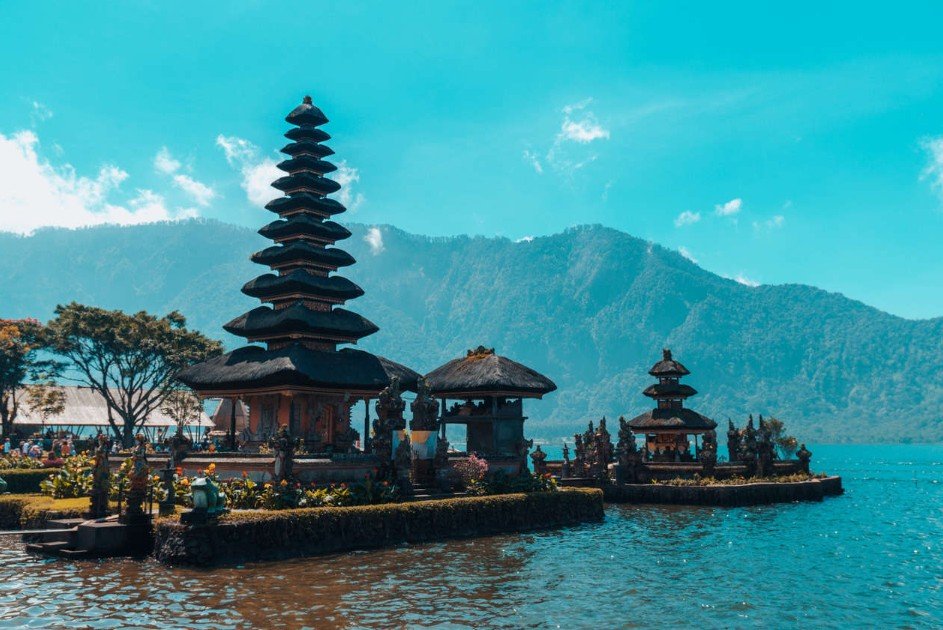
Bali offers a photographer an extraordinary range of subjects: temple courtyards, volcanic slopes, rice terraces, fishing boats and everyday scenes along village streets. The variety can be overwhelming, especially on a short trip. A little planning helps you spend less time chasing a checklist and more time noticing how light, place and daily life come together in your frame.
Plan Around Light and Place
Before choosing a location, think about the kind of photograph you want to make. A wide landscape may need open space and early light, while a portrait or market scene is often more compelling when it includes the people and activity that give the setting its character. Build your route around a few nearby locations rather than trying to cross the island between every shot.
Sunrise is useful for popular viewpoints and quiet outdoor scenes. The softer light can bring out the texture of rice fields and volcanic ridges without the hard shadows of midday. Later in the day, look for side light on temple walls or warm tones along the coast. Clouds and rain are part of Bali’s tropical climate, not just obstacles: after a shower, foliage can look especially vivid, and reflections can add interest to streets and courtyards.
Check local conditions before setting out. Some temples have visitor rules, ceremonies may affect access, and weather can change quickly in the hills. Leave room in your schedule for delays and unexpected discoveries. A flexible plan is often more useful than a long list of locations.
Photograph With Respect
Travel photography is not only about finding a striking background. It also involves deciding when to raise the camera and when to put it away. Ask permission before making close portraits, particularly in homes, shops or religious spaces. A smile and a simple question can make an encounter more comfortable, even when you do not share a language.
Be attentive during ceremonies and follow posted guidance at temples. Do not block paths, climb on sacred structures for a better angle or interrupt someone’s prayer for a photograph. If a moment feels private, respect that impression. You can often tell a fuller story with details—a flower offering, a doorway or hands preparing food—rather than a close image of a person who has not agreed to be photographed.
When photographing children, seek permission from a parent or guardian. Avoid treating local residents as props or presenting a complex place through a single stereotype. A sequence that includes architecture, landscape and ordinary activity gives viewers a more thoughtful sense of where they are looking.
Pack for a Day of Exploring
You do not need a large kit to make strong travel photographs. One camera and a versatile lens can be easier to carry through busy streets and along uneven paths. A phone camera can also work well when convenience matters. Choose equipment you can use confidently, rather than bringing several lenses you may never take out of your bag.
- Protect your gear: Keep a rain cover or sealed bag handy, and wipe equipment dry after exposure to humidity or rain.
- Carry spare power: A charged battery and power bank help on long days, but store them securely and keep cables tidy.
- Back up regularly: Copy images to a second device or storage location when possible, especially after a busy shooting day.
- Travel light: Bring only what you can carry comfortably, along with water, sun protection and footwear suited to the route.
Before leaving your accommodation, check your camera settings, clean the lens and make sure there is space on your memory card. Small habits like these prevent missed moments and reduce the temptation to spend a beautiful evening troubleshooting equipment.
Make Images That Tell a Story
At a location, pause before taking the first photograph. Notice where the light falls, what is happening in the background and whether a different position would simplify the frame. Try a wide view to establish the setting, then photograph smaller details that explain its mood. A single location can offer several useful images without requiring you to move on immediately.
For landscapes, include a foreground feature such as a path, plant or stone wall to give the viewer a sense of depth. In busy scenes, wait for a moment when the arrangement feels clear rather than photographing every movement. If you are working with a phone, tap to focus and check exposure before shooting; if using a camera, consider a faster shutter speed for moving subjects.
Afterward, edit with a light touch. Correct exposure and color, straighten horizons, and crop distractions where appropriate. Avoid pushing saturation so far that the greens and sunsets no longer look believable. Keeping a consistent approach across a set of images can make a travel story feel cohesive.
Share Your Work With Purpose
Photographs become more meaningful when the story around them is accurate. Add concise captions with place names and context, and distinguish what you observed from what you have researched. If you are writing about local customs, verify details rather than relying on assumptions made during a brief visit.
Travel photographers who want to develop their writing can create educational pieces about technique, responsible photography or preparing for a particular kind of trip. Researching education guest posting websites and blogs can help identify publications that welcome useful instructional content. Read each site’s submission guidelines and pitch an original idea that suits its readers; a photo essay with practical advice may be more valuable than a gallery without context.
If you need help polishing an article, organizing images or editing a short video, a freelance marketplace such as Osdire is one place to find people offering those services. Its categories include photography, writing and translation, design, and video work. As with any freelance arrangement, agree on the scope, delivery format and timeline before work begins, and review the finished files carefully.
Conclusion
Bali rewards patient looking. Plan for the light, travel with a manageable kit and treat the people and places you photograph with care. A thoughtful set of images does not need to cover every famous landmark; it can capture a few well-observed moments and give readers enough context to understand them. Leave space in your itinerary for the unexpected, and let curiosity—not the camera settings alone—guide the day.